About Kasim
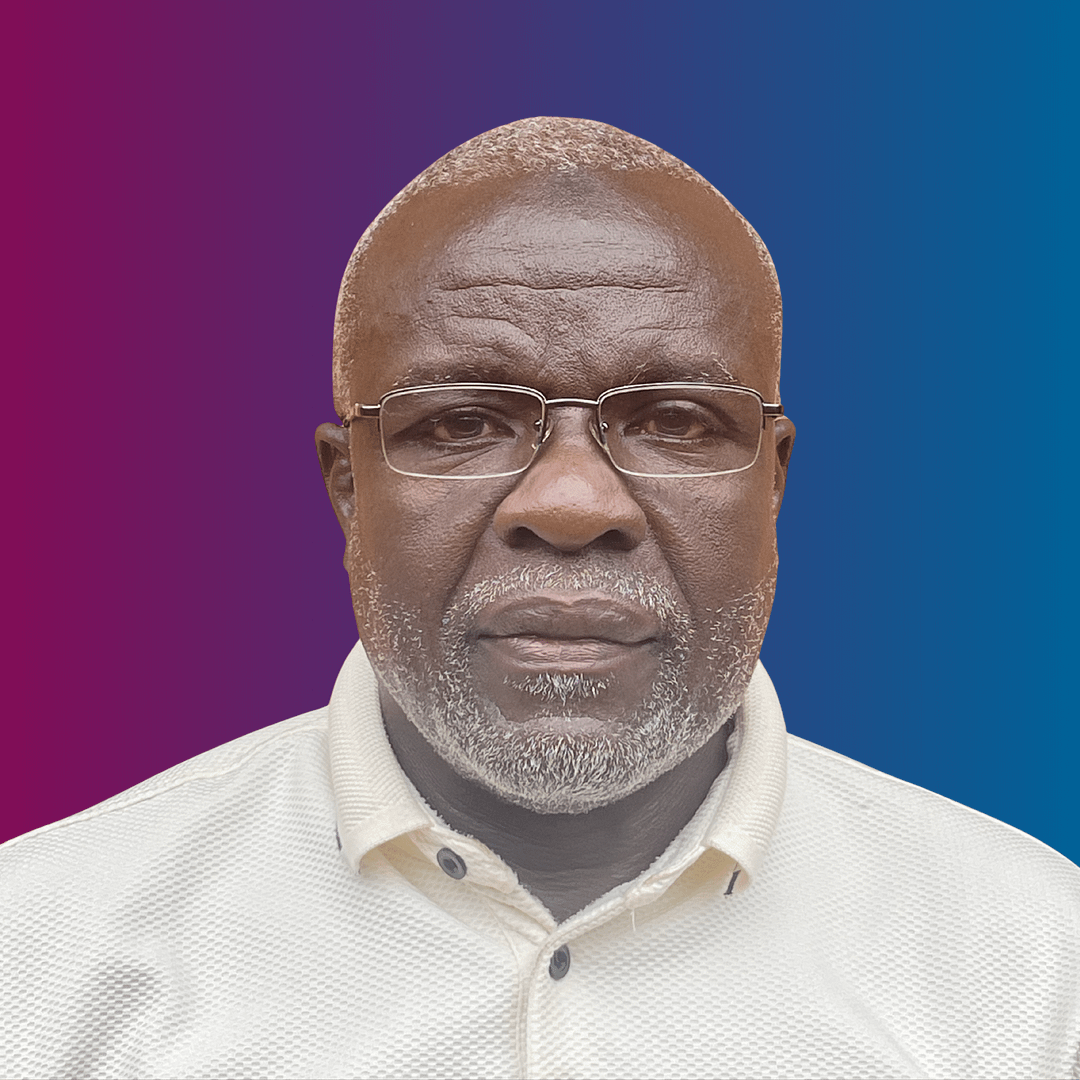
Kasim is an Ugandan disability scholar, researcher, and project planning professional with more than 25 years of dedicated service to the disability movement. Throughout his career, he has championed the rights and inclusion of persons with disabilities by supporting organizations of persons with disabilities (OPDs) and civil society groups across the East African sub-region.
Kasim currently serves with Deaf Girls Rescue (DGR), an OPD based in Wakiso District, Uganda, where he focuses on empowering deaf girls and young women to thrive and lead. His unwavering commitment to advancing the social, economic, and political inclusion of persons with disabilities was further strengthened by a transformative fellowship at the World Institute on Disability (WID), where he honed his expertise in disability research and advocacy.
He holds a Master’s degree in Community Disability Studies from University College London (UK) and brings a lived experience as a person with a mobility impairment to his work. Kasim is deeply passionate about breaking barriers and expanding opportunities for persons with disabilities across all spheres of life.
Accolades and Speaking Engagements
Coming Soon
Abstract
Uganda’s rapidly expanding oil and gas sector promises national economic transformation, yet people with disabilities remain largely excluded from its opportunities, decision-making processes, and benefits. Drawing on qualitative research conducted in Buliisa and Mubende districts—including focus group discussions with community members with disabilities and interviews with local leaders and a senior official from the Petroleum Authority of Uganda—this paper exposes the deep disconnect between Uganda’s progressive disability rights frameworks and the reality on the ground.
The study identifies systemic and intersecting barriers that undermine meaningful inclusion: discriminatory recruitment practices, inaccessible information channels, corruption in local employment systems, gender-based inequities, financial exclusion, and the absence of disability-disaggregated data for planning and accountability. Participants’ lived experiences reveal how the sector’s current practices result in symbolic rather than substantive inclusion, leaving trained and motivated people with disabilities without pathways to employment, enterprise, or leadership.
The research also highlights urgent concerns around disaster preparedness as oil extraction, the heated East African Crude Oil Pipeline (EACOP), and a proposed refinery heighten environmental and safety risks for nearby communities—risks compounded for people with disabilities due to inaccessible warning systems, response plans, and emergency infrastructure.
Grounded in the voices of people with disabilities, the paper presents a comprehensive set of recommendations for government, regulators, and industry actors, including the adoption of a sector-wide disability inclusion policy; affirmative and accessible recruitment practices; investment in community-level outreach; strengthened monitoring and data systems; and the integration of disability-inclusive disaster preparedness.