About Munir
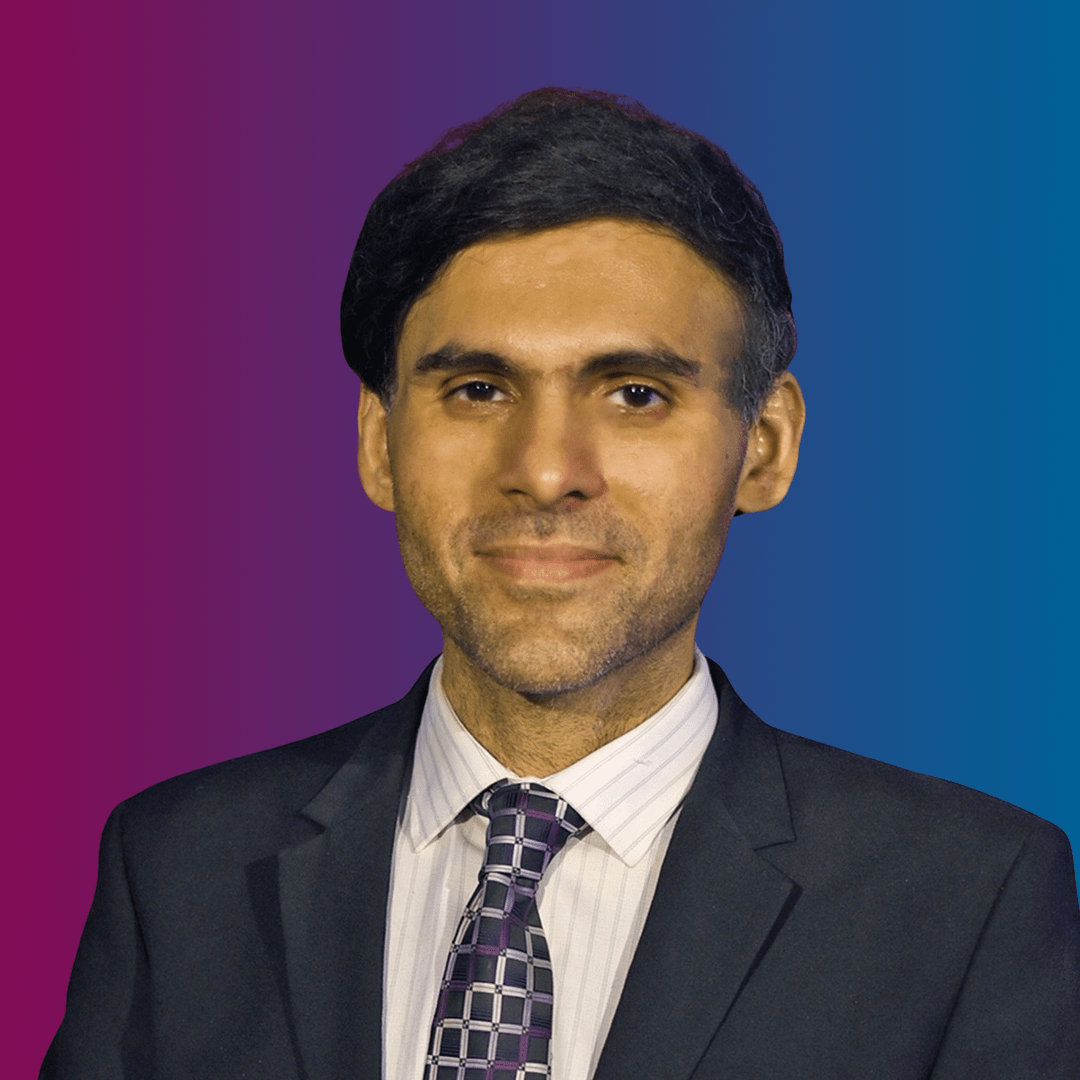
Dr. Munir Sewani is a university educator, researcher, socio-educational theorist, and disability advocate with a PhD in Education. For more than a decade, he has served as an Assistant Professor of Education at SMI University in Pakistan. He is also the Volunteer Founder Director of the Global Forum for Teacher Educators, an initiative providing free professional learning to teachers in more than 75 countries.
His work has earned recognition through honors such as the Charles Wallace Trust Fellowship and the Georg Arnhold Fellowship. Dr. Sewani has delivered guest lectures at leading institutions around the world, including The Open University (UK), UC Berkeley, Adult School Berkeley, Northampton University (UK), and Leuphana University of Lüneburg (Germany). He has developed multiple educational models and frameworks, including Munir’s socioecoethical model of human rights education and Munir’s socio-ethical model of inclusivity.
As a Global Heumann Fellow, Dr. Sewani worked under the mentorship of Tara Miller to produce both a paper and an extended report. He shares his findings at conferences hosted by the University of Waterloo (in person), The Open University UK (online), and Ontario Tech University (online). He also created a documentary in collaboration with the Disability Justice Project and presented a proposed inclusive ethical framework for research involving people with diverse disabilities at the University of Oxford’s Research Ethics Colloquium. In addition, he edited an open-access book focused on teachers’ inclusive narratives.
Accolades and Speaking Engagements
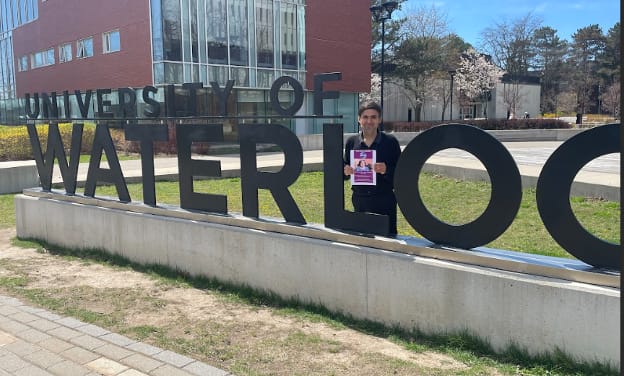
Dr. Sewani has presented his research on disability inclusion, ethical frameworks, and digital innovation at leading global conferences, including the ASEF InnoLab Conference at Fudan University, the Computers and Learning Research Group Annual Conference at The Open University UK, the University of Oxford’s Research Ethics Colloquium, the University of Waterloo’s Teaching and Learning Conference, and Ontario Tech University’s Digital Innovation in Education Conference.
As a WID Global Heumann Fellow, Munir advanced research in disability inclusion and contributed to international policy dialogue. He is also a member of the UNESCO Inclusive Policy Lab and submitted formal recommendations to the UNESCO Dubai Declaration on OER.
Abstract
This paper examines the social, academic, and technological barriers learners with disabilities face in Pakistan and explores how Open Educational Resources (OER) could help close long-standing education gaps. Through interviews with students, educators, and disability advocates, paired with a global review of OER research, the study reveals widespread stigma, inaccessible learning environments, limited assistive technology, and a lack of collaborative opportunities—as well as minimal awareness or use of OER among disabled learners. Although OER has tremendous potential to expand access, reduce costs, and fuel creativity, most existing platforms and resources remain inaccessible, unavailable in local or inclusive languages, or designed without disability leadership.
The paper calls for a more inclusive global OER ecosystem—one that trains and empowers disabled learners as creators, not just consumers; strengthens accessibility and quality standards; expands multilingual and inclusive content; and integrates disability-led design at every stage. By investing in accessible, collaborative, and locally relevant OER practices, Pakistan and the global community can move closer to achieving equitable, lifelong learning for all.